Source Hand Blown Clear Glass Decanter for Daily Use, Wine Bar, Living Room
Compare 30 hand blown clear glass decanter options from verified Chinese manufacturers. Buyers can evaluate models with varying capacities, handle styles, and packaging details for daily use, wine bars, and living rooms.
Key considerations
Products List







Comprehensive Sourcing Guide
Hand Blown Clear Glass Decanter Sourcing Guide
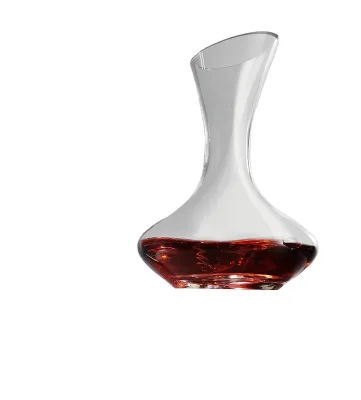
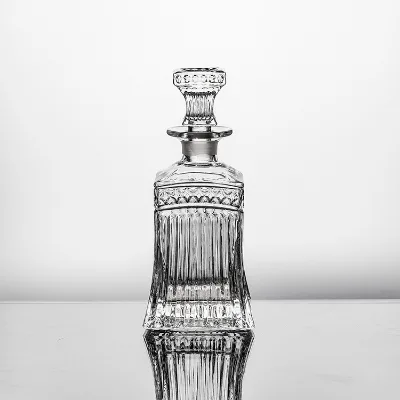
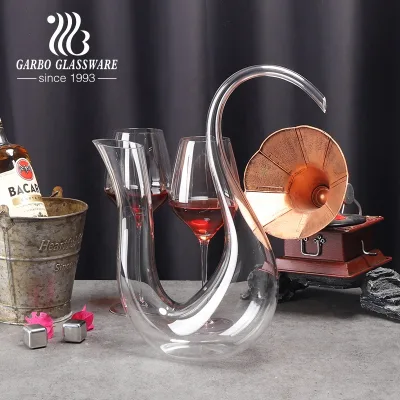
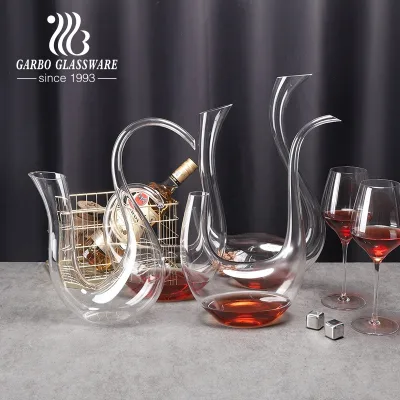
The hand-blown clear glass decanter represents a specialized category of glassware where artisanal craftsmanship meets functional utility, primarily designed for the aeration of wine and the elegant presentation of spirits. These items are distinct from mass-produced molded glass due to their unique formation process, which often results in subtle variations in thickness and shape that are characteristic of high-end, hand-made products. Buyers in the B2B sector must recognize that these decanters serve critical roles in daily use settings, ranging from living room entertainment to professional environments like wine bars and smoking bars, where the aesthetic appeal of the high-heel or classic style enhances the overall dining experience.
Procuring these items requires a nuanced understanding of the supply chain, as the market offers a diverse range of models with varying capacities, from 48oz to 1000ml, and specific design features such as handles or handle-less configurations. The transparency of the glass is a primary visual attribute, with options available in clear or colored variants, though the core keyword emphasizes the clarity that allows the liquid's color to be fully appreciated. Sourcing decisions should be driven by the specific application needs of the target market, ensuring that the selected decanters align with the intended use cases, whether for wholesale distribution or direct retail in hospitality venues.
Product Scope and Observed Listing Signals
When evaluating product listings, buyers should observe a wide spectrum of specifications that indicate the versatility of the hand-blown decanter category. The observed data reveals models with distinct identifiers such as JS22226, JS22233, and various GD-series codes, each corresponding to different standard capacities like 61oz or 48oz, and specific glass types including melt glass and high borosilicate glass. These variations suggest that the market is segmented by capacity and material composition, requiring buyers to carefully match the product model to their inventory strategy, as some listings specify a single package size of 29x23x13 cm while others indicate bulk packing in cartons or foam.
The commercial signals in the market also highlight significant variability in minimum order quantities (MOQ) and customization options, which directly impacts procurement planning. While some listings indicate an MOQ of 10,000 units, others suggest flexibility with lower thresholds, and the availability of customization services allows buyers to tailor products to specific branding needs. Additionally, the presence of accessories such as handles or the absence thereof, along with specific packaging methods like foam plus color boxes, provides tangible evidence of the product's readiness for different distribution channels, from direct-to-consumer e-commerce to bulk wholesale to hospitality suppliers.
Technical Specifications to Verify
Verifying the technical specifications of hand-blown decanters is essential to ensure the product meets the functional and aesthetic expectations of the end-user. Buyers must confirm the material composition, specifically distinguishing between standard melt glass and high borosilicate glass, as the latter offers superior thermal resistance and durability, which is critical for products marketed as hand-made and food-safe. The capacity range observed, spanning from 250-500 ml up to 751-1000 ml, must be clearly defined for each model to prevent confusion in ordering, and the physical dimensions, such as the high-heel shape or classic style, should be validated against the single package size to optimize logistics and storage planning.
Further technical due diligence involves checking the operational constraints and safety features of the glassware, such as dishwasher compatibility and seasonal suitability. The data indicates that certain models are not dishwasher safe, a critical limitation that must be communicated to retailers and end-users to prevent damage during cleaning. Additionally, the verification of the product's origin, whether from Zibo or Hebei in China, and the specific production standards, such as the 1000ML standard or 61oz standard, ensures that the buyer is sourcing from a facility capable of maintaining the required quality levels for high-heel wine decanters and other unique glass decanter designs.
Compliance and Safety Documentation
Ensuring compliance with safety standards is a non-negotiable aspect of sourcing glass decanters, particularly those intended for food and beverage contact. The supply chain data confirms that products in this category often carry certifications such as ISO9001 and FDA, which are vital indicators of a manufacturer's commitment to quality management and food safety. Buyers must request and verify these certification documents for every batch of decanters, ensuring that the "food safe" attribute claimed in the product descriptions is backed by valid, up-to-date testing results and regulatory approvals from recognized bodies.
Beyond certifications, the documentation must also cover the specific standards and testing protocols used to validate the glass's integrity and safety. While the observed listings mention "a Quality" and "food safe" attributes, the buyer must ensure that these claims are supported by third-party test reports that verify the absence of harmful substances and the structural soundness of the glass. This is particularly important for hand-blown items, where the manual process can introduce variability; therefore, documentation should explicitly state that the production process adheres to strict quality control measures to guarantee that every decanter, regardless of its model number, meets the necessary safety thresholds for commercial use.
Cost Drivers and Commercial Terms
The cost structure of hand-blown clear glass decanters is influenced by several key drivers, including the complexity of the hand-blown process, the type of glass material used, and the level of customization required. The observed price range of 0.05 to 73.47 USD reflects the vast difference between basic, mass-produced items and premium, artisanal pieces made from high borosilicate glass with unique designs like high heels. Buyers must analyze the cost per unit in relation to the material quality and the labor intensity of the production, as hand-made items inherently command a higher price point due to the skilled craftsmanship involved in their creation.
Commercial terms, including lead times and payment conditions, play a significant role in the total cost of ownership and supply chain reliability. The data indicates a standard delivery time of 30 to 45 days after receiving a deposit, a timeline that buyers must factor into their inventory planning to avoid stockouts. Furthermore, the competitive pricing noted in the market is often contingent on the order volume, with MOQs ranging from 1 to 5000 units, meaning that smaller orders may incur higher unit costs. Buyers should negotiate terms that balance the need for competitive pricing with the flexibility to adjust order quantities based on market demand.
Supplier Qualification and Quality Control
Selecting a qualified supplier for hand-blown glass decanters requires a rigorous assessment of their production capabilities and quality control systems. The observed data points to suppliers located in key glass manufacturing hubs like Zibo and Hebei, China, which are known for their glass industry expertise. Buyers should verify that the supplier has a proven track record of producing items with specific attributes such as "Good Service" and "Competitive" pricing, while also ensuring they can consistently deliver products that meet the specified standards, such as the 1000ML or 61oz capacities, without compromising on the hand-blown quality.
Quality control processes must be transparent and robust, covering every stage from raw material selection to final packaging. The supplier should demonstrate a clear understanding of the unique challenges associated with hand-blown glass, such as managing variations in thickness and shape, and must have protocols in place to inspect each unit for defects. The use of specific packaging methods, such as foam packing or carton boxing, is a critical indicator of the supplier's commitment to protecting the fragile glass during transit. Buyers should request evidence of these quality control measures, including inspection reports and packaging standards, to ensure that the decanters arrive in perfect condition.
Long-Term Procurement Checks
Establishing a long-term procurement relationship for hand-blown clear glass decanters involves continuous monitoring of supplier performance and product consistency. Buyers should implement a system for regular audits and feedback loops to ensure that the supplier maintains the high standards of quality and service observed in the initial phases of the partnership. This includes verifying that the supplier continues to adhere to the ISO9001 and FDA certifications and that the production process remains stable, delivering decanters that consistently match the specified models and capacities over time.
Additionally, long-term checks should focus on the adaptability of the supplier to market changes and evolving customer preferences. As the market for wine decanters and glassware evolves, the supplier must be capable of offering new designs, such as updated high-heel styles or different color options, while maintaining the core attributes of clarity and food safety. Buyers should also monitor the supply chain for potential disruptions, such as changes in lead times or raw material availability, and work with the supplier to develop contingency plans that ensure a steady flow of high-quality decanters to meet ongoing demand.
FAQs
What certifications do these glass decanters have?
The products hold ISO9001 and FDA certifications, ensuring they meet international quality and food safety standards. These credentials verify that the materials and manufacturing processes are suitable for daily use and contact with beverages. Buyers can rely on these documented standards for compliance in regulated markets.
Can I customize the glass decanters for my brand?
Customization is available for these glass decanters, allowing buyers to tailor products to specific brand requirements. This service supports unique design needs and private labeling opportunities. Buyers should contact suppliers directly to discuss specific customization parameters and feasibility for their orders.
What is the typical delivery time for orders?
The delivery time is typically 30 to 45 days after receiving the deposit. This timeframe allows for production and quality checks before shipment. Buyers should plan their inventory accordingly and ensure timely deposit payments to maintain this schedule.
What is the minimum order quantity for these decanters?
The minimum order quantity is listed as 10000 units for certain models. This high MOQ is typical for wholesale glassware manufacturing. Buyers should verify the specific MOQ for their chosen model and capacity, as requirements may vary across different product lines.
Are these decanters dishwasher safe?
No, these decanters are not dishwasher safe. They are made from high borosilicate glass and are hand-made, requiring careful hand washing to preserve their quality and finish. Buyers should advise end-users to handle them gently to avoid damage.
What packaging is used for shipping these decanters?
Products are packed in cartons, with some models using foam, color boxes, and master cartons for extra protection. This packaging ensures safe transit and minimizes breakage risks. The specific packing method depends on the model, such as the GDS-010 or GD-011 series.